Major Works
A selection of plays by George Ryga that helped shape modern Canadian theatre.
George Ryga’s plays are known for their powerful social commentary, vivid theatricality, and commitment to telling the stories of people often overlooked by mainstream culture. Written between the late 1960s and 1980s, these works explore themes of class struggle, identity, displacement, and community, and remain an important part of Canada’s theatrical legacy.
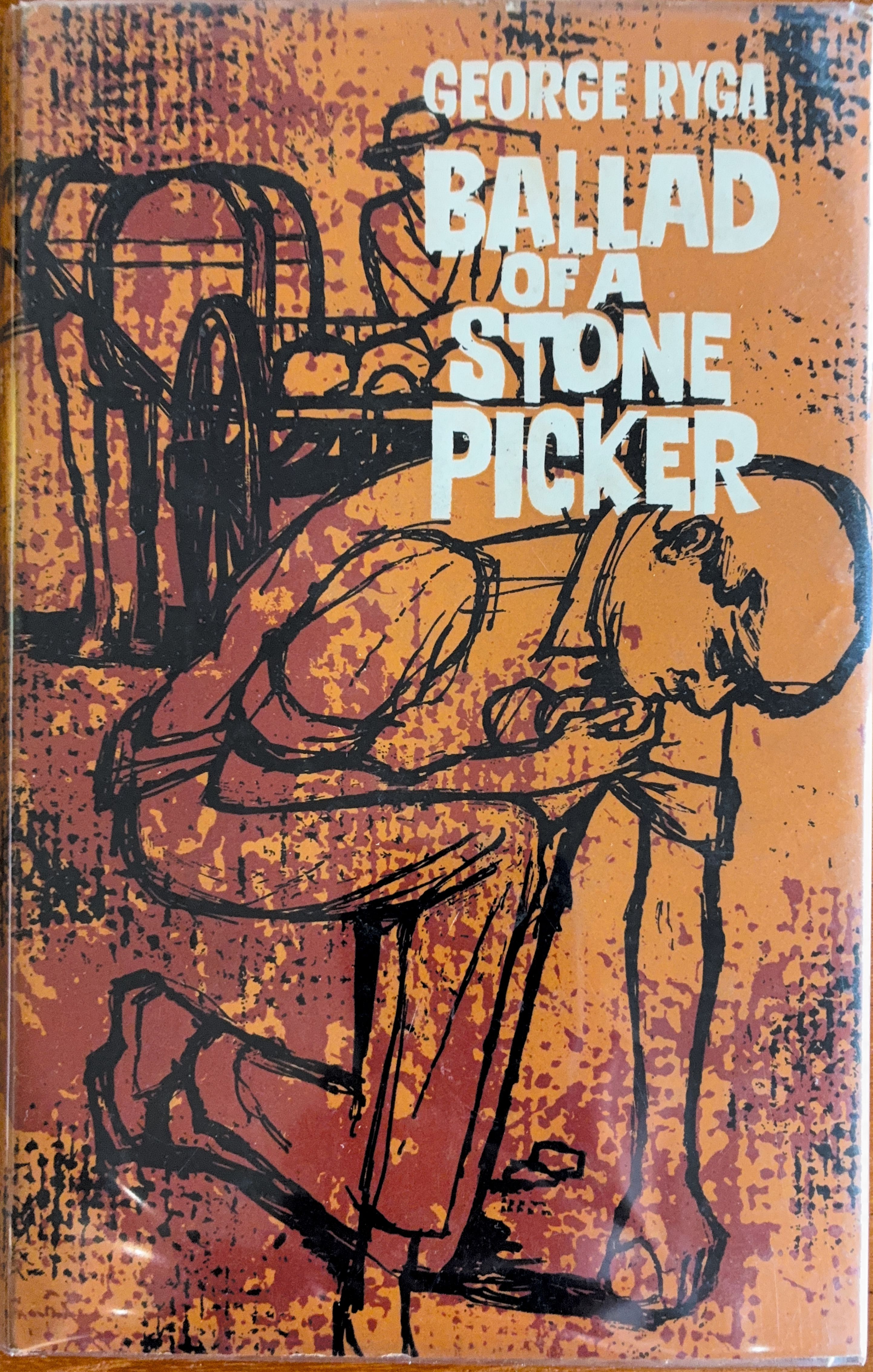
Ballad of a Stone-picker
1966
Set against the backdrop of prairie life, the story follows two brothers whose paths diverge as one seeks a different future while the other remains tied to the demands of home and hard work. Through deeply human relationships, George Ryga examines the emotional cost of ambition and the unseen burdens carried in the name of love and family.
.jpg)
Grass and Wild Strawberries
1969
A vibrant and experimental play reflecting the cultural tensions of the late 1960s, Grass and Wild Strawberries explores generational conflict, social change, and the emerging counterculture movement. Blending music, satire, and political commentary, the play captures the restless energy of a society questioning traditional authority and searching for new ways of living.
.jpg)
Captives of a Faceless Drummer
1971
Written during a period of intense political debate in Canada, this play examines power, authority, and the ways individuals can become trapped within systems beyond their control. Through sharp dialogue and symbolic imagery, the work reflects the anxieties and conflicts of the era.
Sunrise on Sarah
1972
Sunrise on Sarah presents an intimate portrait of personal struggle and resilience. Through its characters and relationships, the play explores themes of identity, community, and the search for meaning in a rapidly changing world.
Portrait of Angelica
1973
This play focuses on the complexities of human relationships and the emotional landscapes that shape personal identity. Through poetic language and dramatic tension, Portrait of Angelica examines memory, love, and the ways individuals define themselves through their connections with others.
.jpeg)
Night Desk
1974
Set within the pressures of modern urban life, Night Desk explores the isolation and uncertainty of contemporary society. The play’s atmosphere and dialogue reveal the emotional weight carried by individuals navigating institutions, expectations, and personal responsibility.
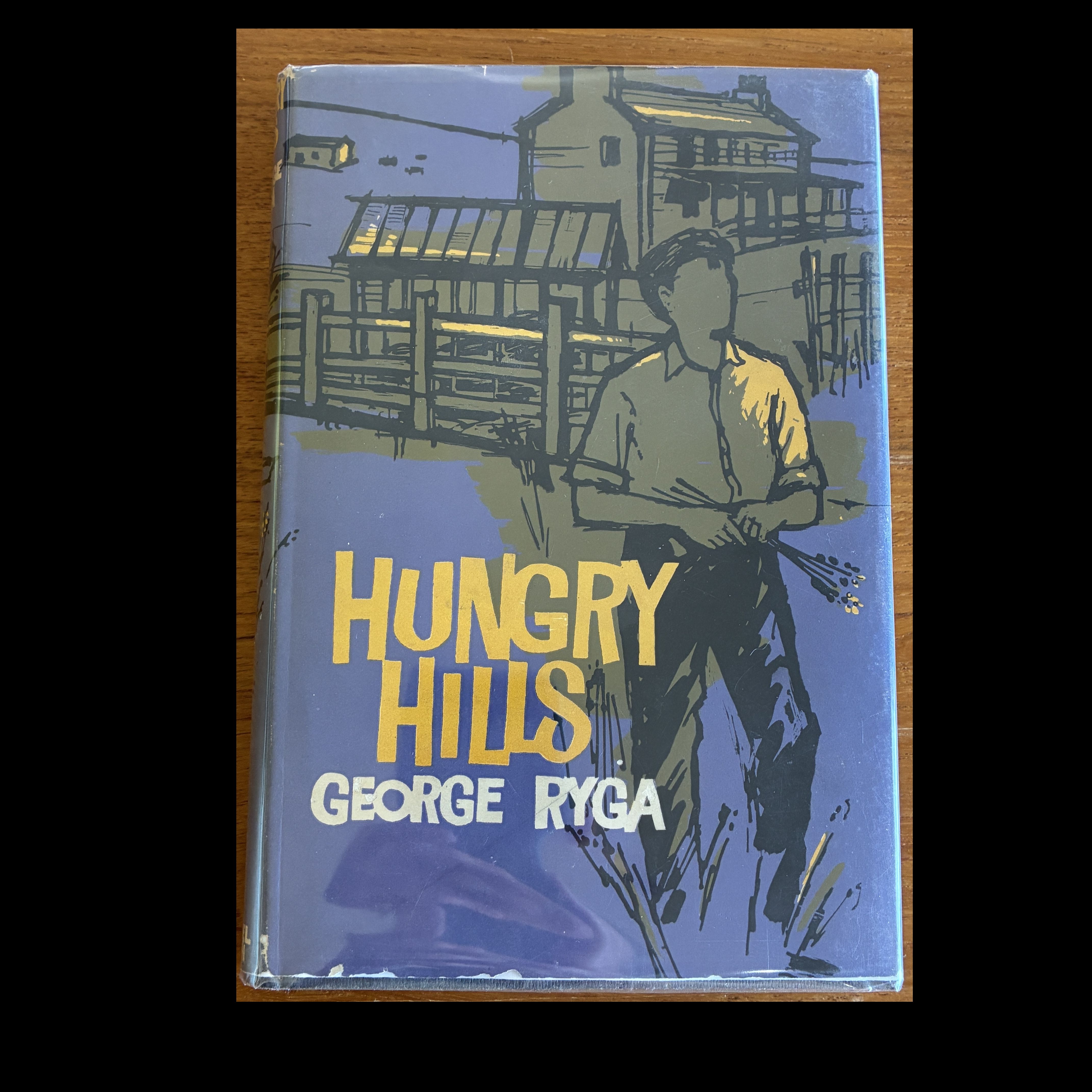
Hungry Hills
1974
A young man revisiting the arid, stony landscape of the Alberta foothills where he grew up. Portrays the despair and the bleakness of the hill farmers with an unflinching realism that is both disturbing in its starkness and extremely moving in the depth of feeling the author manages to convey.
Seven Hours to Sundown
1976
In this dramatic work, Ryga continues his exploration of social conflict and human resilience. The play reflects on the passage of time, the consequences of personal choices, and the tensions between individuals and the communities they inhabit.
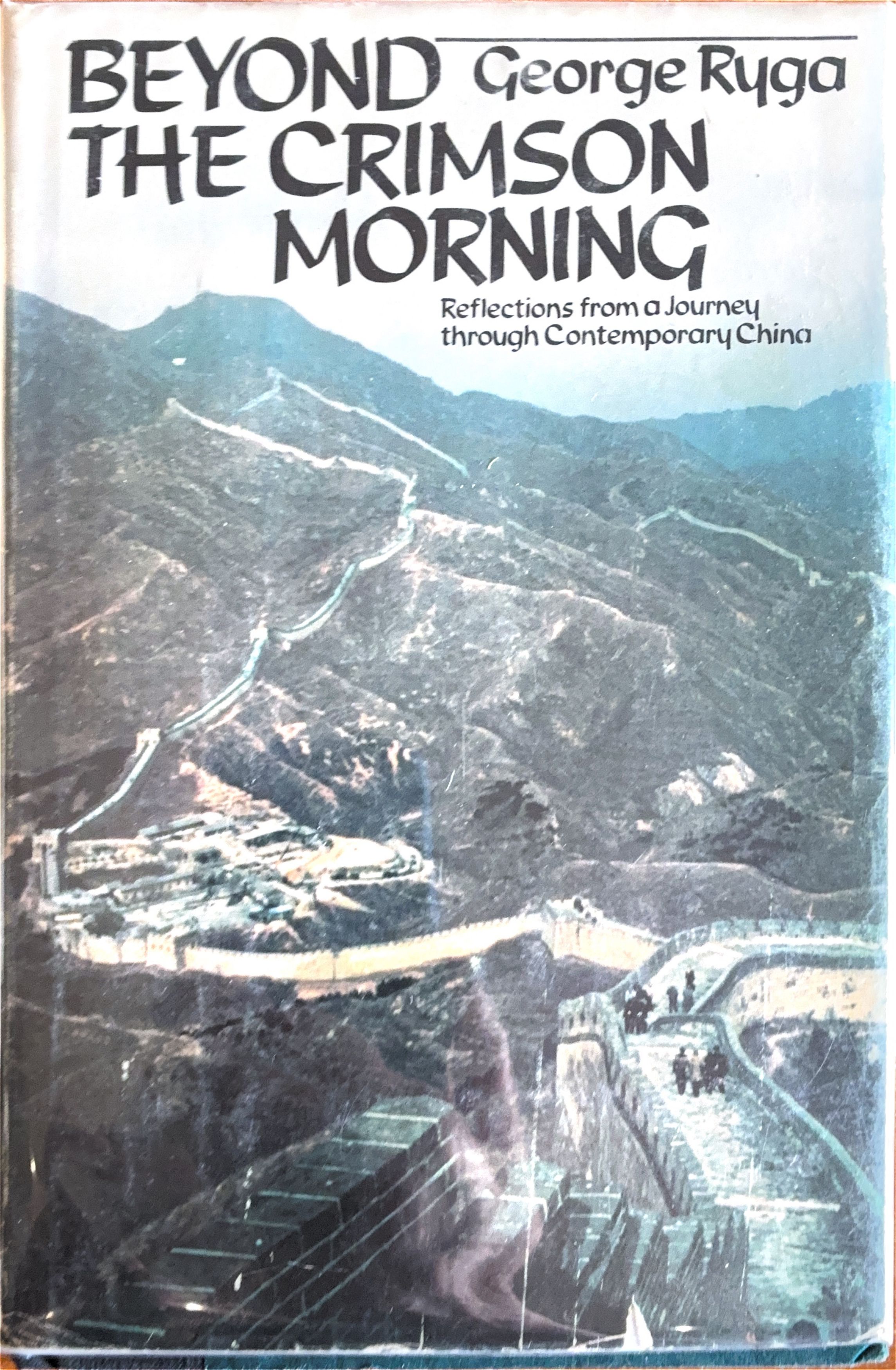
Beyond the Crimson Morning
1979
This later work reflects Ryga’s continued interest in the social and emotional forces that shape people’s lives. Combining strong imagery with reflective dialogue, the play examines hope, struggle, and the search for transformation.
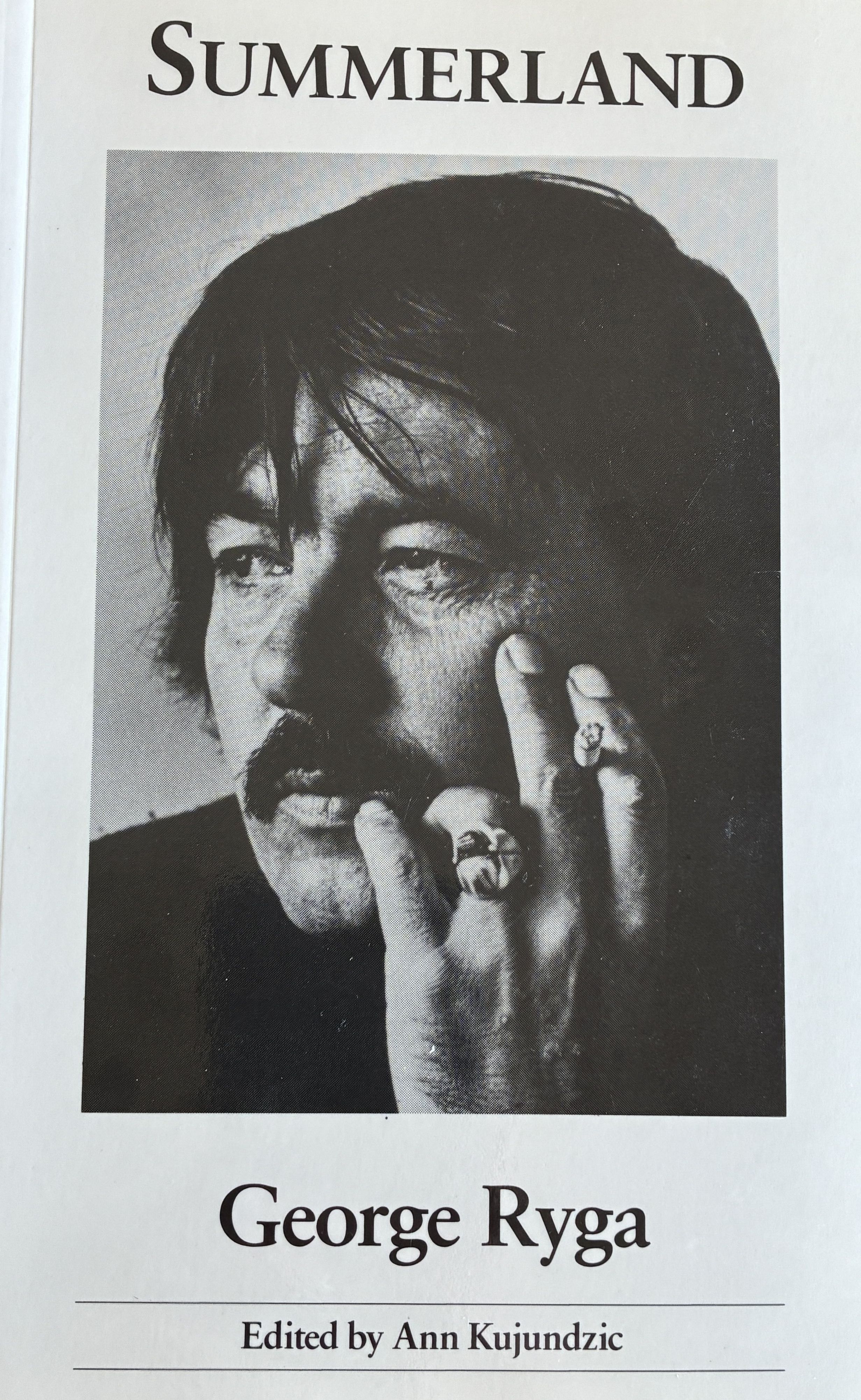
Summerland
1982
Explores memory, place, and the changing landscape of the Okanagan through George Ryga’s deeply personal lens. Set in the region that shaped much of his life and work, the story reflects on community, belonging, and the tension between progress and preserving identity. Through rich characters and local roots, Ryga captures both the beauty of the land and the emotional connections people carry to the places they call home.
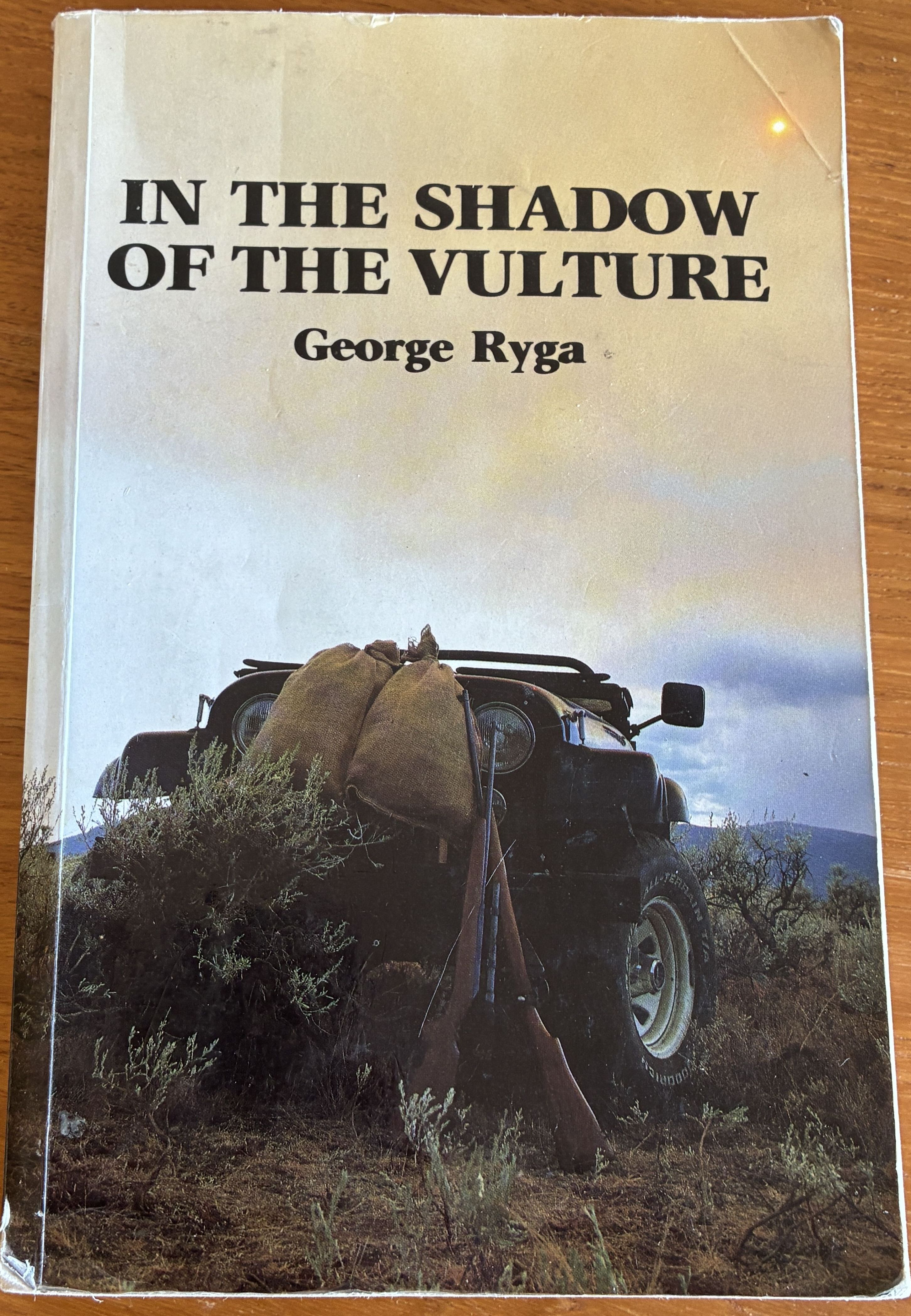
In the Shadow of the Vulture
1985
Set in the desert on either side of the Mexico-U.S. border, this harrowing novel was inspired by an actual event: the abandonment to starvation and death of a "shipment" of Mexican immigrant workers. The sinister shadow of the vulture falls over every character in Ryga's story-Ramon, the flesh-merchant; Juan, the bandito; Anastasio, the defrocked priest; Sandy, the tormented Vietnam vet; Antonia, the "puta" who can survive anything; Stretch, the neo-nazi chicken farmer. In a society as barren and relentless as the desert itself, all of them struggle for survival.
Paracelsus
1986
Inspired by the life of the Renaissance physician and philosopher Paracelsus, this play explores the pursuit of knowledge, the tension between science and belief, and the courage required to challenge established authority. Written near the end of Ryga’s career, the work reflects his ongoing fascination with individuals who question dominant systems and ideas.
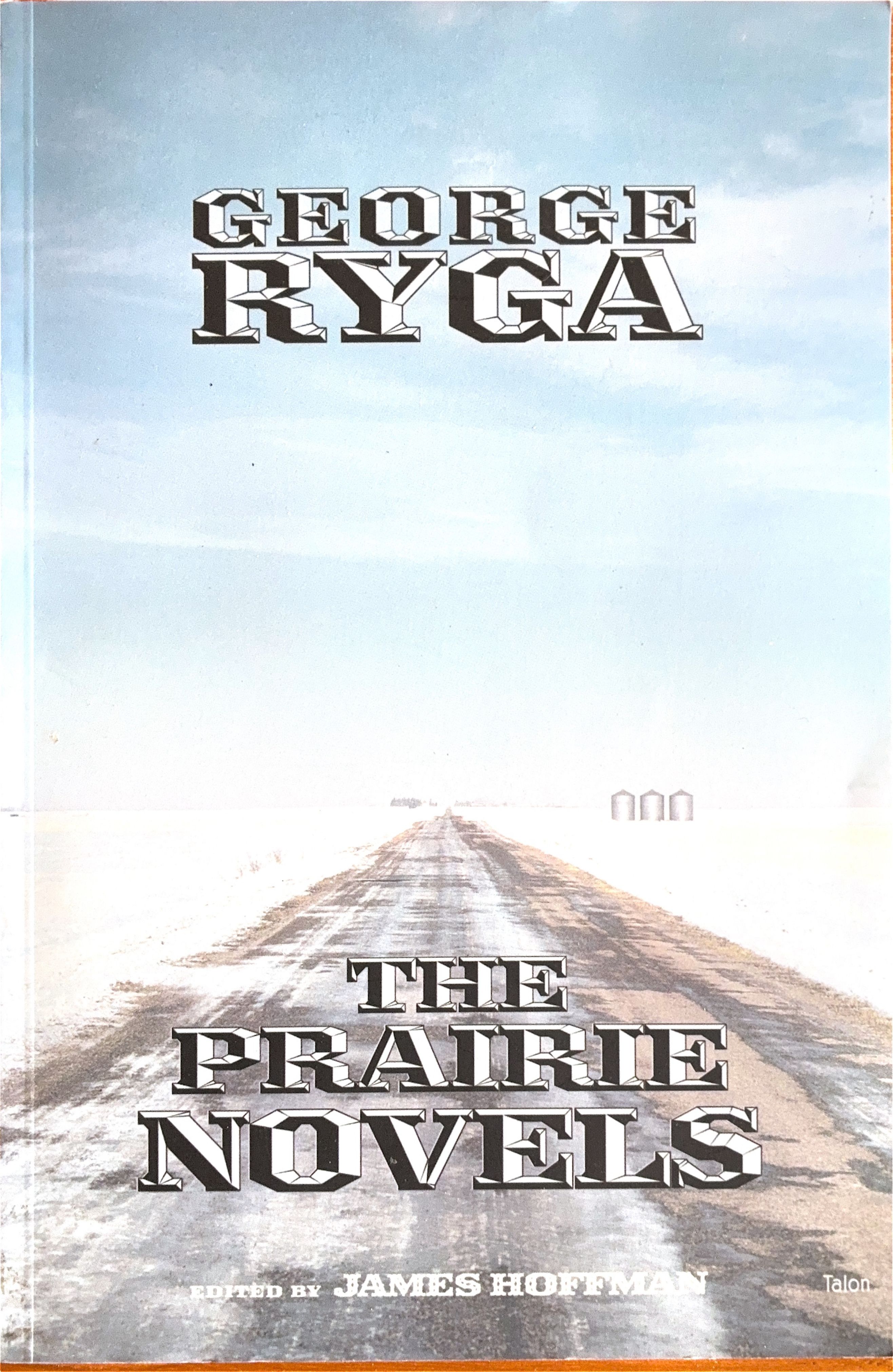
The Prairie Novels
2004
James Hoffman, George Ryga's biographer, provides a brilliant guide to the reader of this collection, with a compelling reappraisal of Ryga's fiction as far ahead of its time. The three short novels included here--Hungry Hills, Ballad of a Stonepicker and Night Desk--draw from the same large canvas of rural, depression-era Alberta